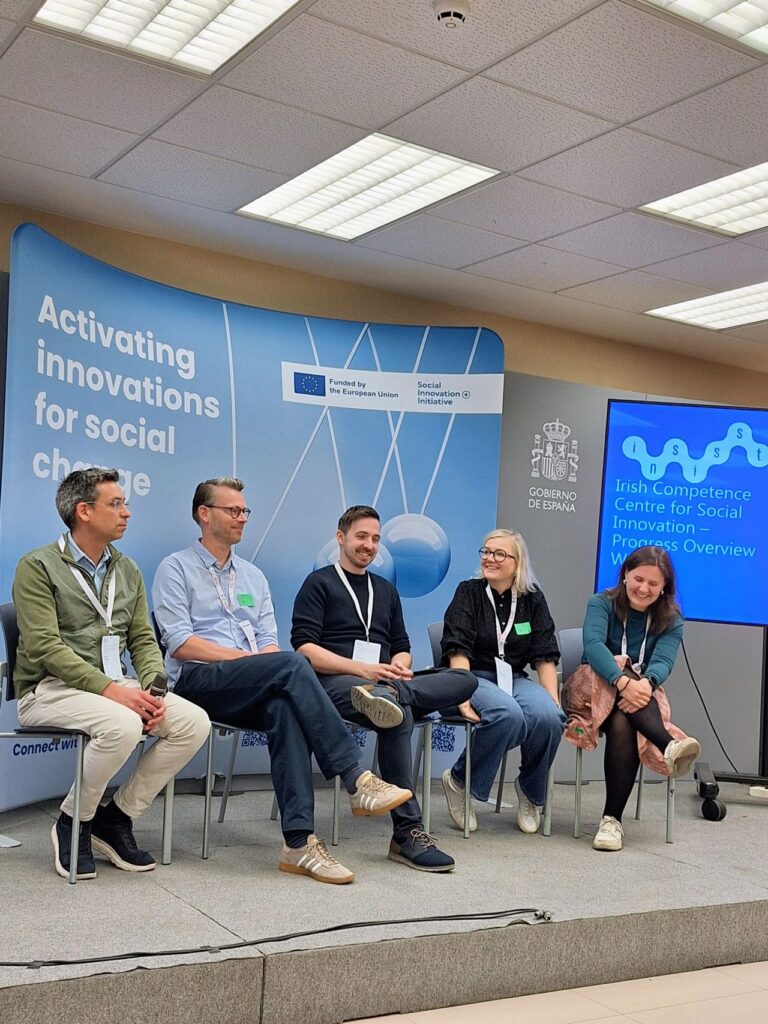
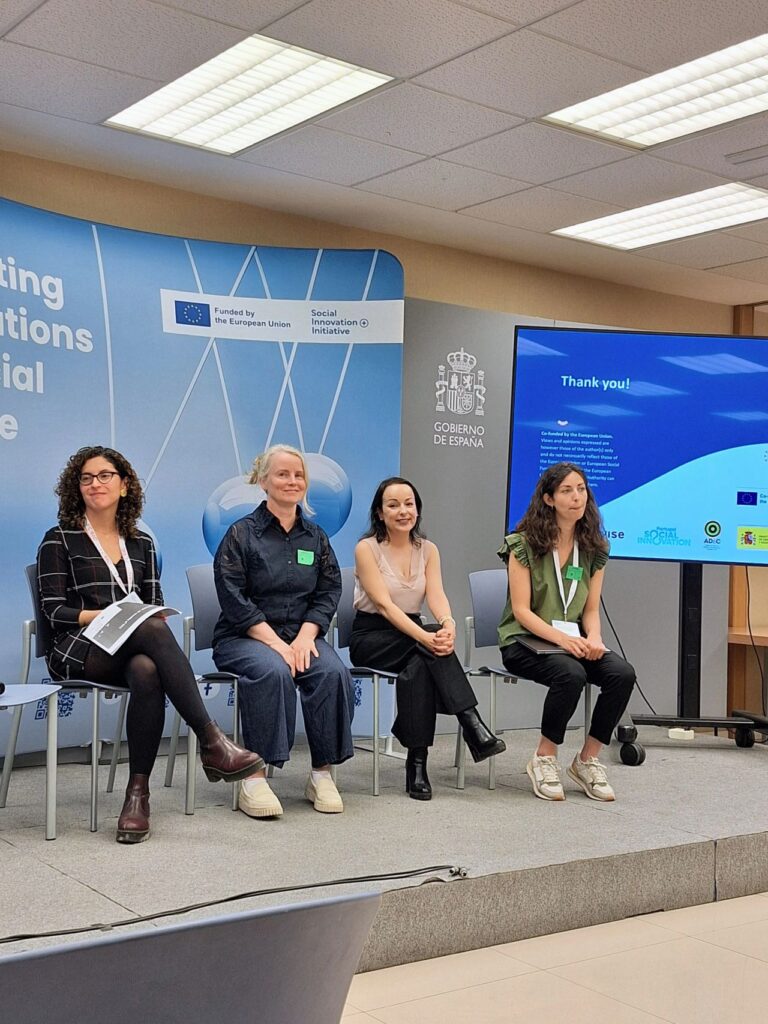
Yesterday we wrapped up two days of exchange in Madrid with sessions that brought the conversation to what the last 18 months of NCC work have taught us and what comes next for social innovation in Europe’s funding architecture.
18 months of NCC experience: what we’ve learned
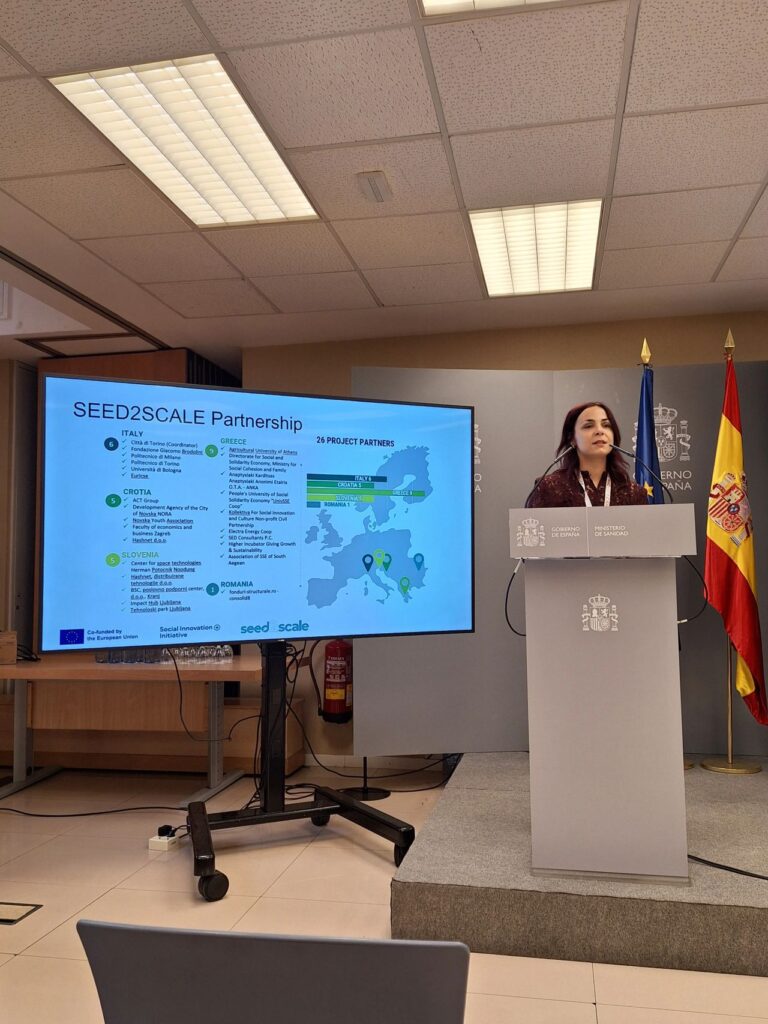
SEED2SCALE took the stage to present what our consortium has built across Croatia, Greece, Italy, Romania and Slovenia. Danijela Paska from ACT Grupa presented the key successes and honest challenges of the journey so far, but what struck most was how much of it resonated with the room. The challenges we face in terms of building legitimacy with governments, finding sustainable funding models, and developing a shared language for impact are the same challenges NCCs across Europe are wrestling with.
The new MFF is coming, and the window is open
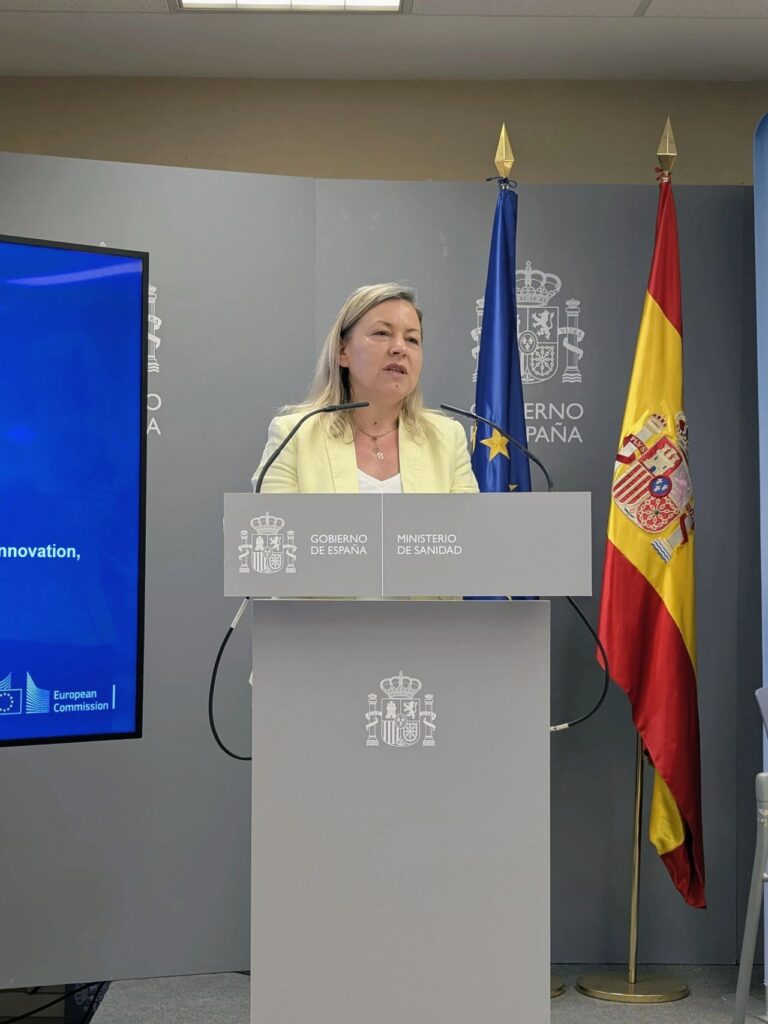
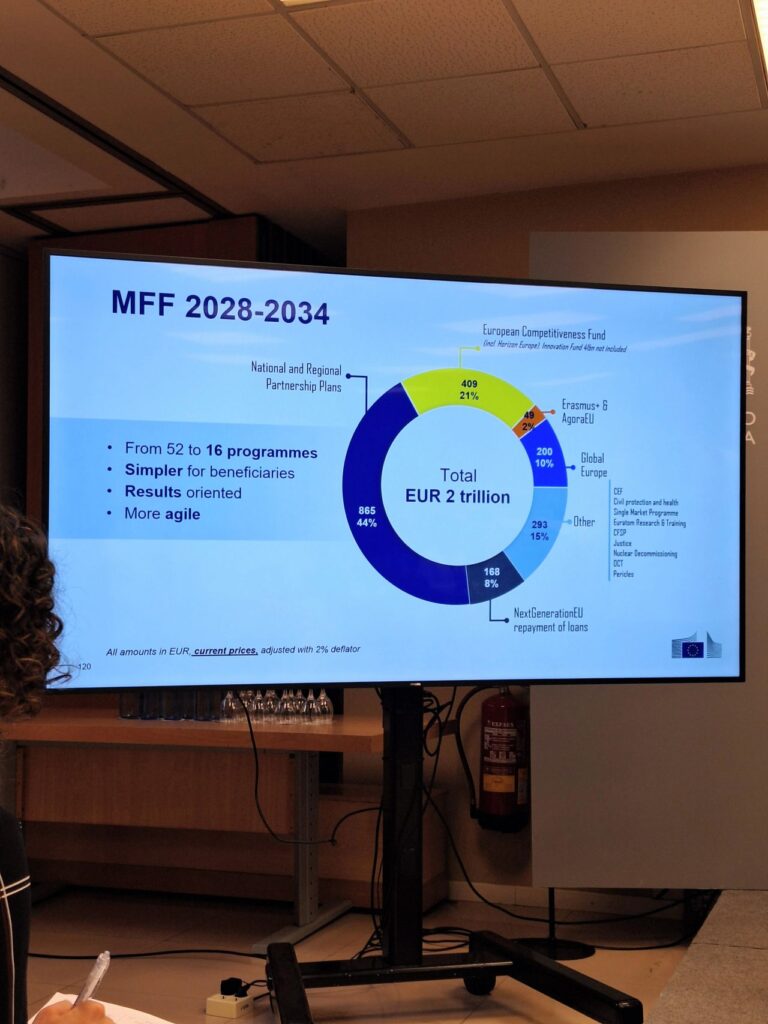
Raluca Painter from DG Employment at the European Commission walked us through the shape of the next Multiannual Financial Framework, which brings fewer programs (down from 52 to 16), a simplified performance framework moving from 5,000 to 900 indicators, and social funding absorbed into National Plans.
While there is no dedicated envelope for social innovation, it remains an important objective of the European Commission, which gives a window of opportunity for social innovators across Europe to find a place at the table and make the case for funding social innovation stronger in the upcoming negotiation period.
Workshops: Advocacy, funding models and evaluation frameworks
Three workshops dug into the practical work ahead, facilitated by the NCC Working Group experts.
🔹 Sofia Lai Amândio led the Advocacy Roadmap workshop, where the conversation centred on how NCCs can define and communicate their core value and how to turn that into compelling narratives that resonate with governments and funders by exploring the practical approach of the portfolio strategy used in Spain.
🔹 John Healy facilitated the New Financing Strategies workshop, where we explored how to move beyond project-based funding and think of NCCs as sustainable entities with diversified income. The discussion pushed toward embedding social innovation into national calls, developing new financial tools and treating the NCC less as a funded project and more as a business model built to last.
🔹 Gorka Espiau Idoiaga led the Common Evaluation Framework workshop, working toward a shared approach that each NCC can adapt to its own context while still speaking the Commission’s language and aligning with its reform priorities.
One honest tension surfaced here: counterfactual methods, often seen as the gold standard in evaluation, have real limits when applied to the complexity of social innovation. Building a common framework that is both rigorous and honest about that complexity is the work ahead.
A lot of work ahead. But two days in Madrid reminded us that across Europe, more and more people are pushing in the same direction.