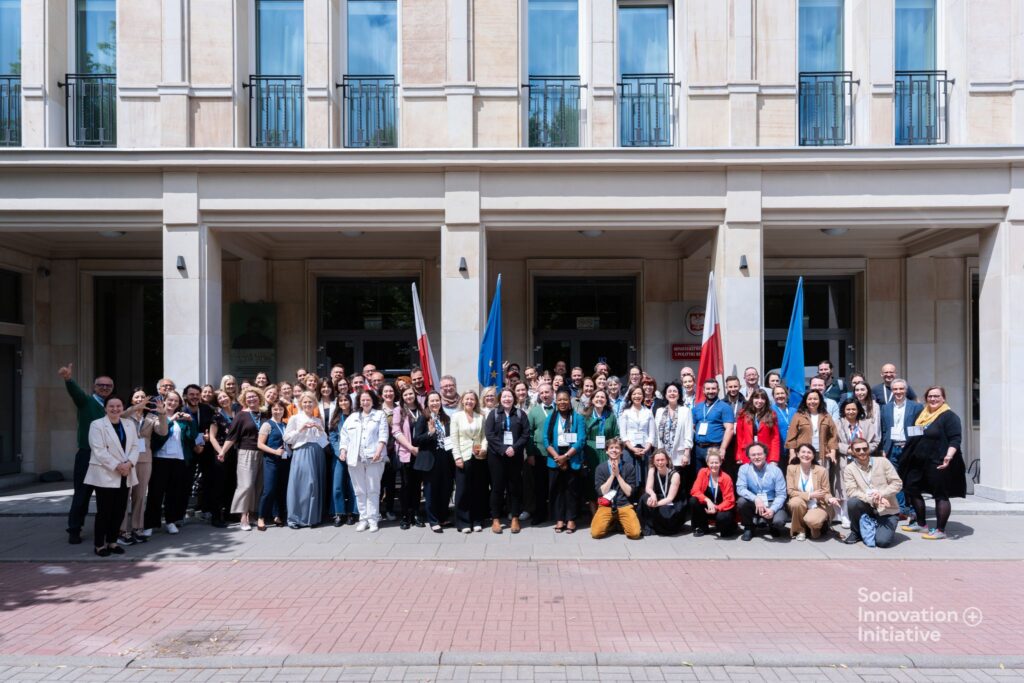
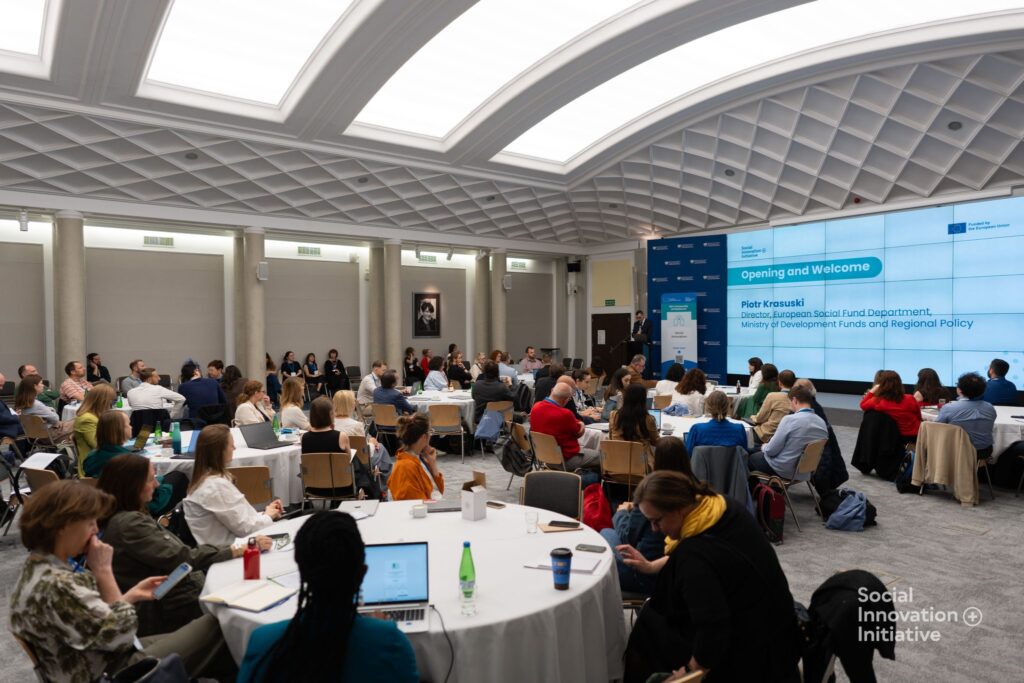
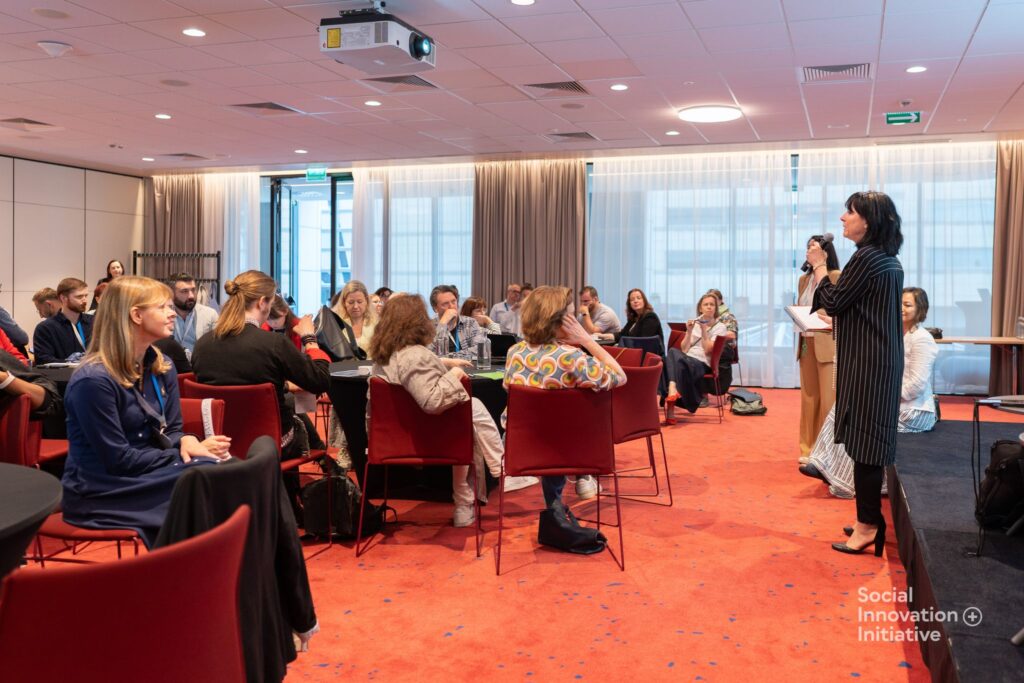
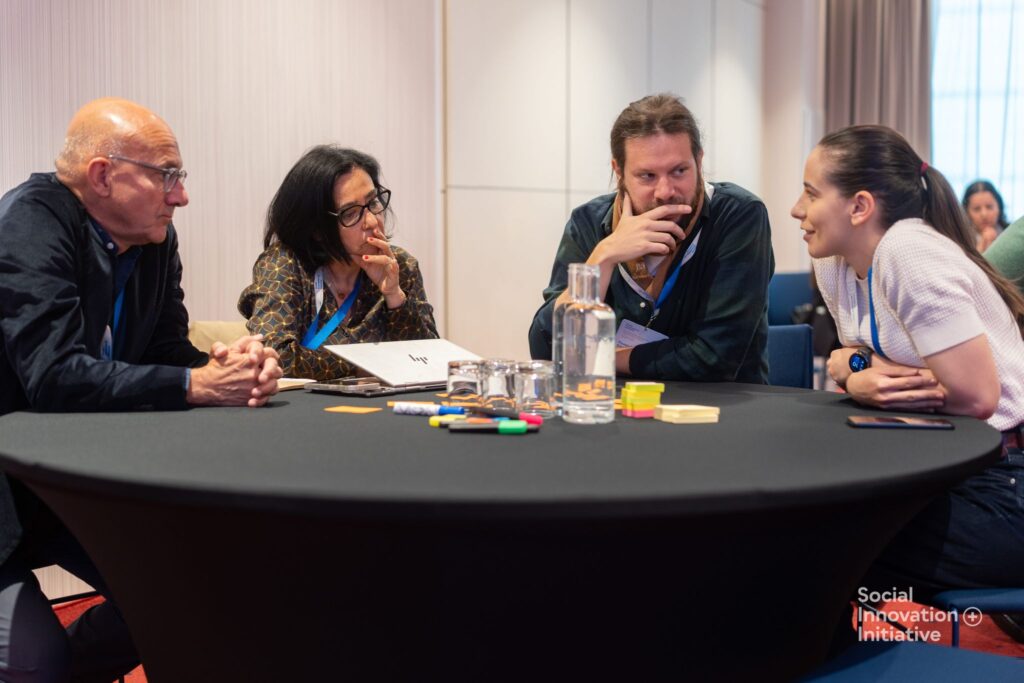
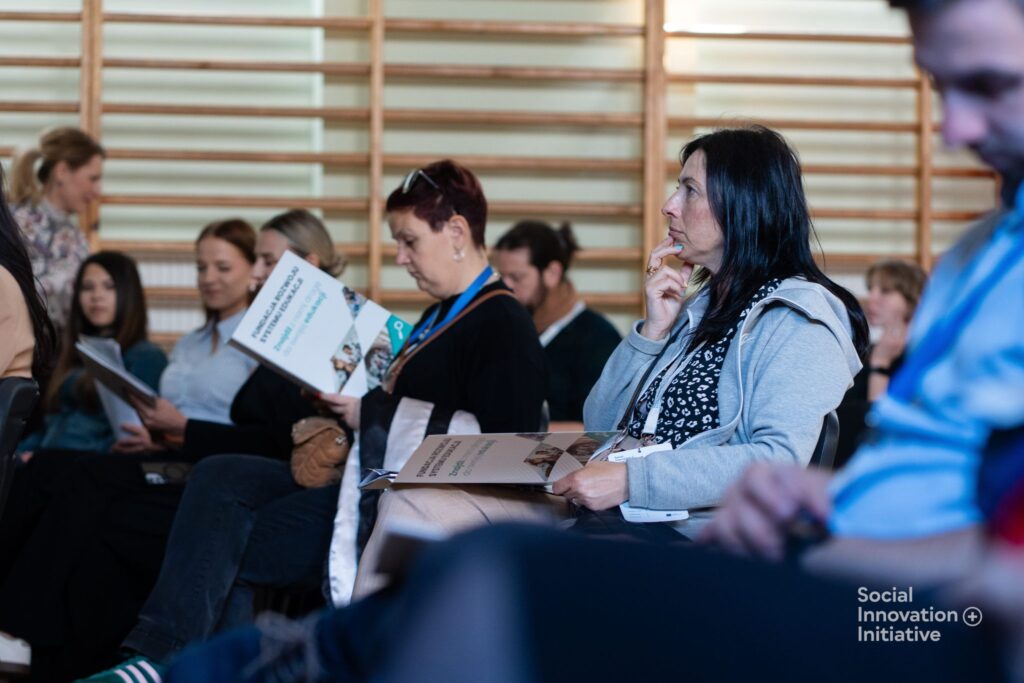
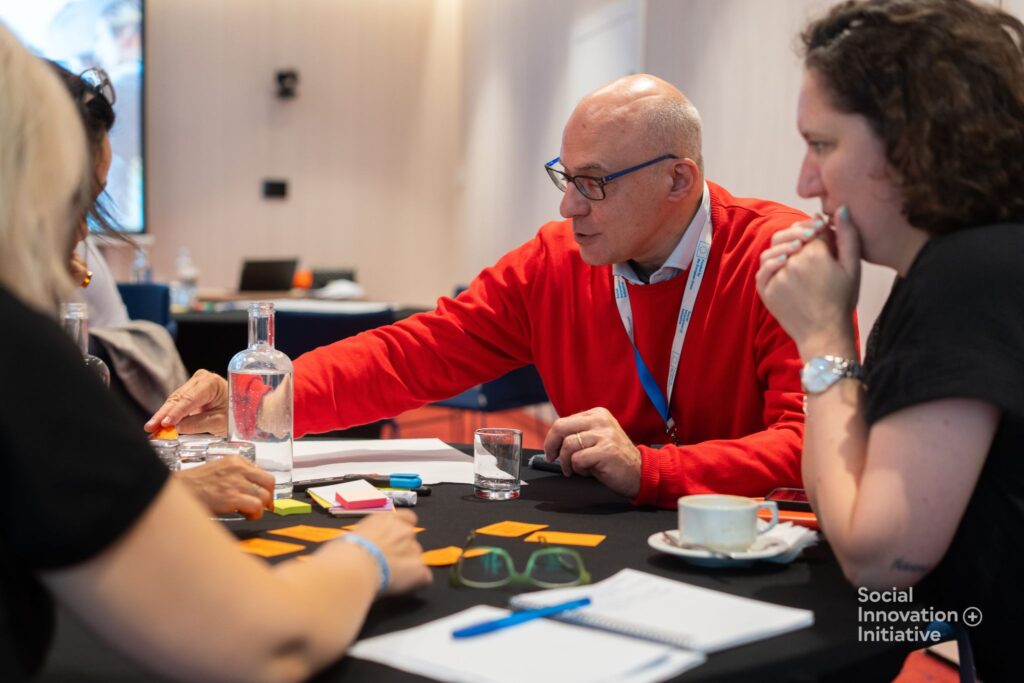
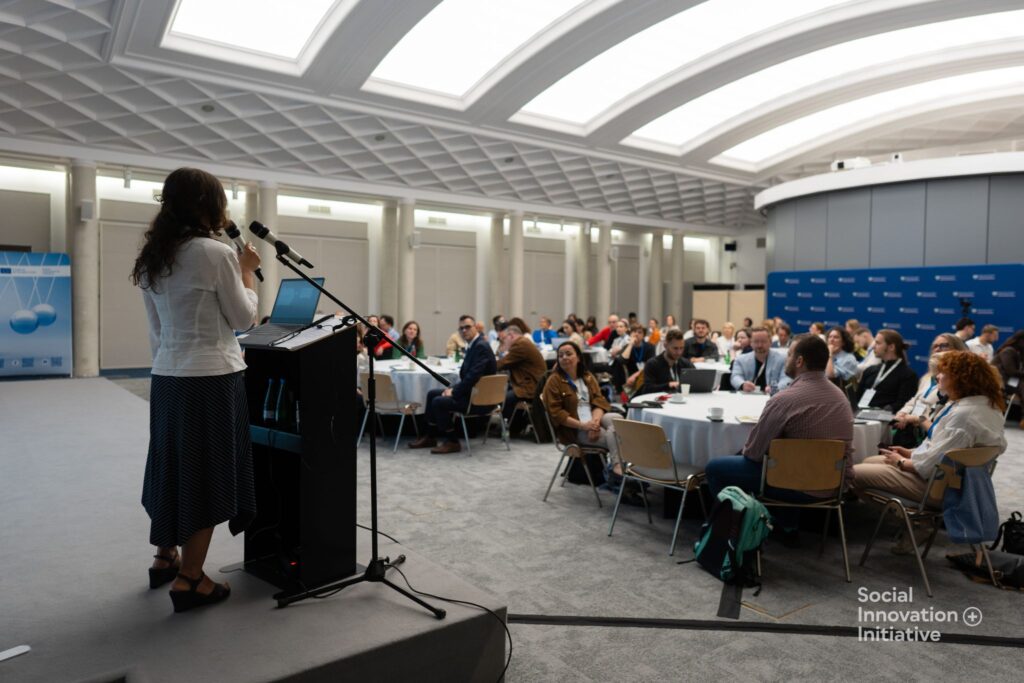
What does it take to scale social innovation? This was the central question explored by the SEED2SCALE consortium during the “Scaling Social Innovation: Lessons from Poland” study visit and mutual learning event, organized by the ESF+ Community of Practice on Social Innovation in Warsaw.
Bringing together ESF+ Managing Authorities, National Competence Centres, policymakers, and practitioners from across Europe, the event moved beyond discussing whether social innovation matters and focused on a more difficult question: how successful solutions move from pilots to systems.
Poland offered a compelling case study. With a €12.9 billion ESF+ allocation, a dedicated social innovation priority worth €194.3 million, more than 1,200 social innovations supported through incubators, and a National Competence Centre embedded within a broader policy architecture, Poland has built a growing and comprehensive ecosystem for social innovation.
Several insights resonated strongly throughout the two days:
- Scaling does not happen by accident. Successful social innovation requires dedicated structures, intermediaries, financing mechanisms, and institutions capable of supporting solutions through the full cycle of start → scale → sustain.
- Projects alone do not create ecosystems. Incubators, competence centres, learning systems, and mechanisms for transferring knowledge are the “connective tissue” that allows innovation to travel beyond isolated pilots.
- The real challenge is not generating innovations, but embedding them into policies and budgets. The question facing Europe is not whether social innovations exist, but whether institutions are prepared to adopt and sustain them.
The study visits provided tangible examples of what this looks like in practice, from peer-support systems in schools and integrated approaches to tackling intergenerational poverty, to community responses to displacement and social rental agencies that have already been scaled to twelve municipalities in Poland.
For the SEED2Scale consortium, the discussions in Warsaw reinforced a simple but important lesson: if Europe wants social innovation to scale, it must invest not only in innovative projects, but also in the ecosystems that allow them to grow.